
In cricket, the way a pitch is prepared can influence the outcome of a match. Pitches prepared correctly will have an even bounce and the appropriate speed and will aid in a balanced contest between the bat and the ball. Manual cricket pitch rollers are an essential piece of equipment for pitch preparation. They are used by schools, clubs, academies, and community fields, as they are effective and economical ways to care for a cricket pitch.
In comparison to heavy diesel and motorized rollers, manual cricket pitch rollers are easier to use, more economical, and more appropriate for smaller fields. They are the preferred choice of the ground staff, as they offer more accurate control of the pressure and support the soil’s natural condition.
We will cover everything you need to know about a manual cricket pitch roller, including all the features, advantages, applications, recommendations for selection, and maintenance for them.
What actually is a manual cricket pitch roller?
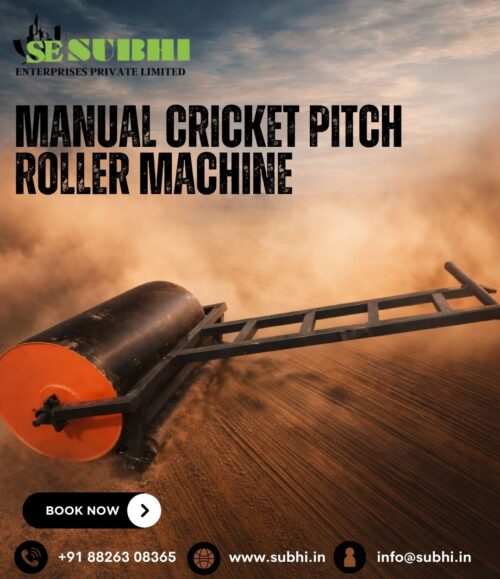
It is a manual device used in the maintenance of a cricket ground. This device is pushed or pulled over the pitch, pressing down the top layer of the soil, which allows the soil to settle and stick together properly.
The mechanism of this roller is based on a frame supporting either one or two heavy drums, either made of steel or cast iron. The extent to which it will compact depends on its own weight, thereby serving to protect the pitch.
It is perfect for use in practice pitches and in venues such as schools and amateur cricket clubs where large machinery may not be available.
Why Pitch Rolling is Important
Without rolling, the surface of the pitch is not likely to be safe to play on. Using a manual cricket pitch roller allows for the surface to be compacted.
Some benefits of using a manual cricket pitch roller include the following:
- Increased surface hardness
- Increased evenness and consistency of the bounce
- Decrease in cracks and loose soil
- Increased durability of the pitch
Additionally, the more the manual cricket pitch roller is used, the better the groundsmen are able to manage the moisture and the overall quality of the pitch.
Identifying Features of a Manual Cricket Pitch Roller
When deciding on a manual cricket pitch roller, understanding the specifics of the roller is critical:
- Heavy-Duty Drum
The drum, being constructed of solid steel or cast iron, simply accomplishes that task by providing enough “weight” to achieve compaction.
- Strong Frame Structure
A good frame is essential for longevity and smooth operation; conversely, a flimsy frame would compromise performance and longevity.
- Ergonomic Handle
An ergonomic handle is designed in such a way that it makes pushing and pulling easy. This will ensure that the machine does not cause the operator to suffer from burnout.
- Compact Size
Transportation and storage are easier for a manual cricket pitch roller, given its size relative to larger machinery.
- Weight Adjustment (Optional)
In models with this feature, the addition of weight is possible on the roller for compaction.
Uses of a Manual Cricket Pitch Roller
Particular to small and medium cricket facilities, this type of roller has particular benefits.
- Cost Efficiency
Manual cricket pitch rollers are significantly cheaper than petrol/diesel rollers. Therefore, any organization that has a budget should look for one.
- User Simplicity
No fuel, no electrical source, and any type of manual cricket pitch roller can The device is usable by any person after presenting a quick demonstration.
- Maintenance is minimal
As there is no engine or motor to be maintained, the upkeep is extremely cost-effective.
- Environmentally friendly
It has no emissions and makes no noise pollution.
- Enhanced control
The manual operation enables the groundsmen to adjust and control the pressure and speed according to the conditions of the pitch.
Where is the manual cricket pitch roller used?
A manual cricket pitch roller can be used in many venues where the game is played or practiced. You can find it in:
- School and college cricket fields
- Cricket Academies
- Local club and community grounds
- Practice zones & nets
- Personal or Backyard Pitches
For bigger venues, heavy rollers do the trick, but for everyday maintenance and light compaction, the manual roller is the preferred tool.
Types of manual cricket pitch roller
The best one depends on what you need. There are:
- Light-Duty Roll Perfect for training pitches and routine surface care.
- Medium-Wheel Rollers
- These are appropriate for club-level grounds where moderate compaction is desired.
- Heavy Manual Rollers
These are employed for the purpose of preparing surfaces for matches that require deeper compaction.
The type of manual cricket pitch roller to be used should be chosen based on the type of soil, the size of the pitch, and the frequency of use.
How to Use a Manual Cricket Pitch Roller Properly
The appropriate use of a manual cricket pitch roller guarantees effective results and a longer lifespan of the equipment.
- Moisture Levels
If the pitch is very dry, the use of a manual cricket pitch roller will cause cracks.
- Rolling
The cricket pitch roller should be rolled in a straight line.
- Adjusting Pressure
You should not make sudden turns, as they will create an uneven surface.
- Rolling Directions
For uniform surface compaction, you should roll in different directions.
- Rolling Frequency
Depending on how the pitch is used, you may have to roll it daily or weekly.
- Buying Considerations
If you are purchasing a manual cricket pitch roller, consider:
- Weight Capacity
Choose a weight that matches your pitch condition.
- Build Quality
Prefer steel construction for durability.
- Handle Comfort
A comfortable handle aids very easy control.
- Brand
Choose a good source for quality and service.
- Budget
The price of manual cricket pitch rollers varies, so choose one according to your budget and needs.
Maintenance
The lifespan of a manual cricket pitch roller will be increased by proper maintenance.
- Be sure to clean the roller after usage
- Store the roller somewhere without moisture
- Check the roller for rust consistently
- If necessary, apply oil or anti-rust to the roller
- Look for damage on the frame and handles
The more care you give to your manual cricket pitch roller, the more effective it will be over the years.
Difference between Manual and Motorized Cricket Pitch Rollers
| Feature | Manual Cricket Pitch Roller | Motorized Cricket Pitch Roller |
|---|---|---|
| Price | Cheaper | More expensive |
| Servicing | Minimal maintenance | Regular servicing required |
| Function | Operated by manual effort | Powered by engine |
| Suitable For | Smaller fields/practice grounds | Bigger stadiums / large grounds |
| Noise & Emissions | No noise or emissions | Produces noise and emissions |
Manual cricket pitch rollers are a suitable and cost-effective option for most clubs and schools.
Mistakes to avoid
- Rolling an entirely dry pitch
- Rolling too many times
- Excessive weight
- Neglecting maintenance
- Leaving the equipment outside the roller
These mistakes will help you maintain the equipment and the pitch
Benefits of a Manual Cricket Pitch Roller
Investing in high-quality cricket pitch rollers will give you
- Improved pitch quality
- Longer longevity of the equipment
- Less maintenance cost
- More professional ground preparation
- Increased safety
For cricket clubs and academies, investing in a manual cricket pitch roller is non-negotiable.
Conclusion
Good-quality pitches are always required for good cricket matches, and manual rollers provide simplicity, cost-effectiveness, and easy maintainability for schools, clubs, academies, etc.
Manual cricket pitch rollers are a good option when you need to create practice pitches and actual pitches. The right model can ensure smooth and professional pitches, especially if you use the product effectively.
An investment in a good-quality manual cricket pitch roller is a durable and worthwhile investment in pitch maintenance.