
Rebar Bending Machines automate the process of bending steel reinforcement bars, which are used in the construction of systems and structures made of reinforced concrete. Steel bars are bent manually by workers using manual tools, which increases the time required to complete the task and results in variation in the bending angle.
A Rebar Bending Machine is a type of construction machine that is used in a variety of construction, building, and fabrication projects. The machine shapes and bends steel reinforcing bars and rods to the requirements of the project. The machines are easily transportable and can be used in a variety of projects.
The goals of recent machine models, such as the GW42, GW52, and GW52C, are to reduce the level of manual effort required in bending reinforcement steel, and increase the consistency of bends.
What is a Rebar Bending Machine?
A Rebar Bending Machine is an electrical or mechanical machine used for bending steel reinforcing bars to the shape and angle required for a given construction project. The machine is designed to replace the workforce required to bend steel reinforcing bars manually.
The machine is programmed to bend steel reinforcing bars to various angles and shapes. An operator is required to place the steel bar on the bending surface of the machine. The operator is also required to adjust the bending arrangement of the machine.
For contractors and builders, using a Rebar Bending Machine allows for reducing physical fatigue from doing the same task repeatedly, increasing the rate at which the task can be done and results in more uniformity among the various steel bars used for reinforcement.
What ways does a Rebar Bending Machine benefit a construction Project?
All the constituent materials used in a reinforced concrete structure, the steel used for reinforcement takes the largest share.
However, not all steel is laid in the form of a bar. In fact, the majority of the steel used in reinforcement is shaped or bent to specific sizes and dimensions to facilitate its placement in the structure.
Bending a large number of steel reinforcement bars to specific shapes and dimensions to suit a building project can be physically demanding, time consuming, and challenging to ensure uniformity.
A Rebar Bending Machine alleviates these challenges and provides many other benefits including
- Increased rate of bending.
- Improved uniformity in bending.
- Reduced manpower.
- Better productivity.
- Appropriateness to construction and fabrication sites.
- It eliminates the need for undue physical effort.
- Ability to bend steel bars of different sizes to specific shapes.
All the construction and fabrication equipment, the Rebar Bending Machine is perhaps one of the best equipment to reduce the level of fatigue and stress in construction workers while improving the rate of work done.
Parts of a Rebar Bending Machine
In addition to giving an overview of what a rebar bending machine is and its benefits, this report provides brief information on the components of the equipment.
- Motor
The motor performs repeated bending actions and aids in the operation of the machine.
- Gearbox
The gearbox is driven by the motor and helps generate the required torque.
Without the gearbox, accurate bending of steel bars cannot be achieved.
- Bending Table
The bending table is a flat surface where the steel bar is placed to be bent by the machine.
A metal table provides a sturdy surface and helps the steel bar’s positioning for bending.
- Central Bending Shaft
The central shaft is connected to the bending mechanism. The shaft requires strength to perform bending actions.
- Bending Disc
During operation, the disc helps reinforcement bar to attain the desired bending position.
How the disc is set determines the kind of bending achieved.
- Bending Pins
The pins help in defining the shape and position of the reinforcement bar during bending.
- Limit Switch
The switch allows the machine to stop at a given position.
This is especially important in defining the position at which the machine is to perform the bending action.
- Control Panel
Through the control panel, operators can start, stop and control the functioning of the machine.
System controls such as switches or angle adjusters, vary with different machine models.
- Electrical Control System
The Electrical Control system controls and interconnects various electrical circuits and elements of the machine. A properly functioning electrical control system is vital for unhindered operation of the equipment.
It is vital that the electrical and safety instructions, if any, provided by the equipment manufacturer are strictly adhered to.
- Machine Frame
The main elements supported by the frame of the machine include the motor and gear box, bending mechanism and electric controls.
Frame supports and guide ways help minimize machine vibration and provide stability.
- Bearings
Bearings reduce friction in rotating elements and are part of the bending mechanism of the machine.
Inspection and replacement of bearings, if necessary, improves machine life.
- Foot Pedal or Switch
Foot pedal or switch controls vary with different machine models.
Some models provide a foot operated control, freeing both hands to position the steel bar to be bent.
Types and Versions of Rebar Bending Machines
Depending on the type of construction work and the type of reinforcement provided, the type and the number of bending machines of different capacities and configurations would be required. Some of the common models are as follows:
BAR BENDING MACHINE GW42
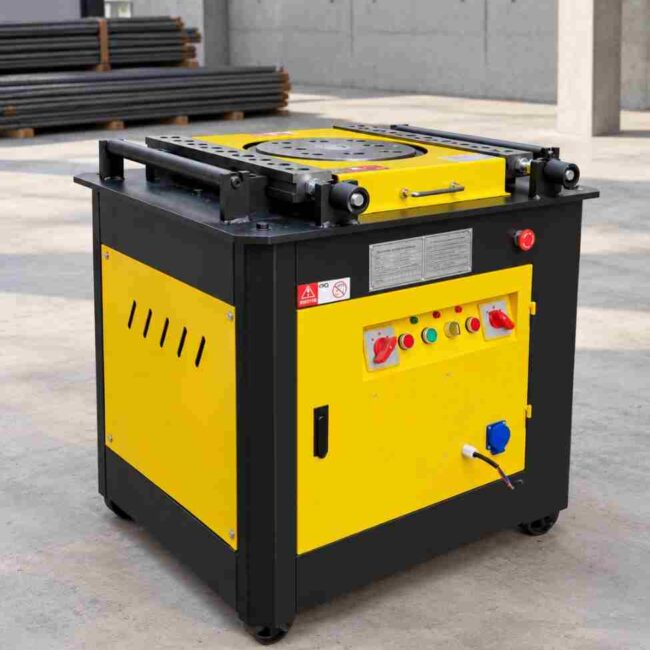
The GW42 rebar bending machine is used to form reinforcing bars used in Columns, Beams, Slabs and Foundations etc. of Reinforced Cement Concrete (RCC) Structures. This machine is used in normal Construction Works for bending reinforcing bars as and when required.
SPECIFICATION
| Specification | GW42 Details |
|---|---|
| Model Number | GW42 |
| Bending Range | 6–32 mm TMT Bar |
| Bending Speed | 12 R/min |
| Motor Power | 3 kW, 1400 RPM |
| Input Voltage | 415 V, 3 Phase |
| Weight | 305 KGS |
| Dimension | 850 × 740 × 850 mm |
| Machine Type | Bar / Rebar Bending Machine |
| Application | TMT Bar & Reinforcement Steel Bending |
BAR BENDING MACHINE GW52
This machine is used in larger reinforcing bar works, and therefore, is used for bending larger size reinforcing bars.
While acquiring these machines, the customers are required to see that the maximum bar diameter to be bent, the bending capacity of the machine, the Motor and the Electrical data are as per the requirements of the user.
SPECIFICATION
| Specification | Details |
|---|---|
| Model | GW52 |
| Maximum Bending Capacity | 40 mm |
| Bending Range | 0° to 180° |
| Motor Power | 4 kW |
| Bending Speed | 10 RPM |
| Voltage | 380V / 415V |
| Phase | 3 Phase |
| Application | Large Building Construction Works, RCC Structures & Reinforced Fabrication |
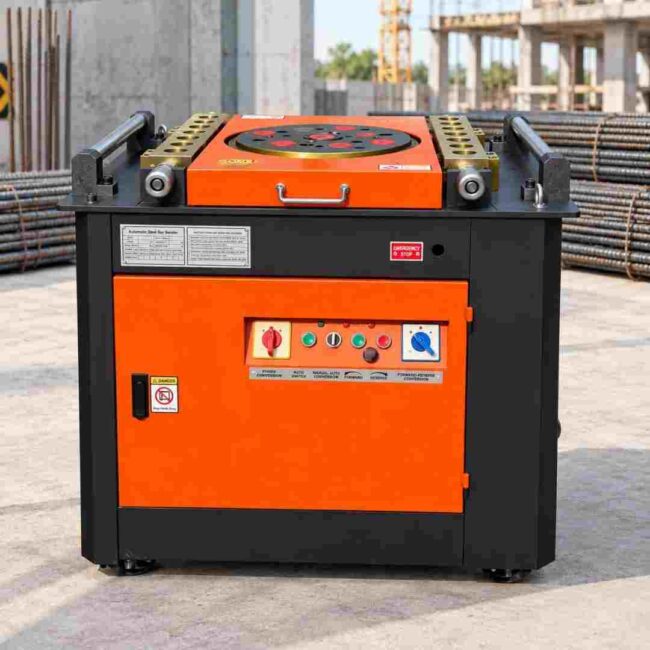
REBAR BENDING MACHINE GW52C
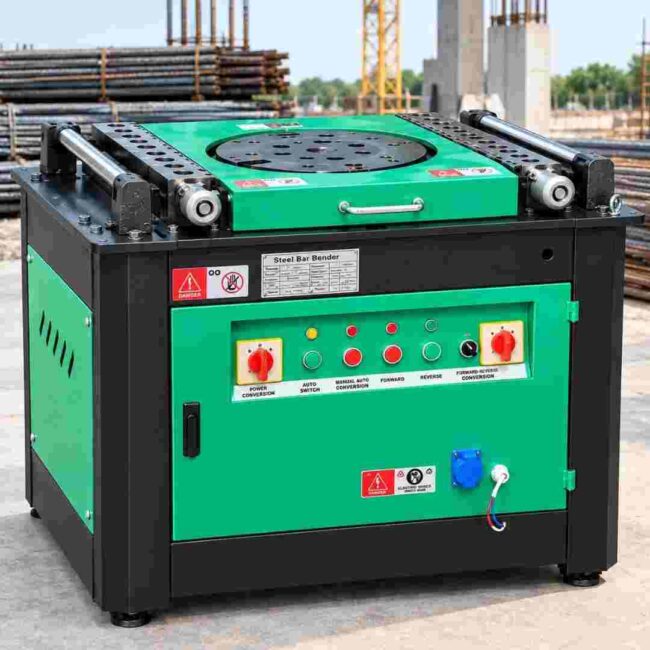
The GW52C Rebar Bending Machine is used for larger reinforcing bars for more demanding applications. This machine can assist the contractor for multiple repetitive bends with a greater degree of consistency.
SPECIFICATION
| Specification | Details |
|---|---|
| Model | GW52C |
| Bending Range | 0° to 180° |
| Maximum Bending Capacity | 40 mm |
| Motor Power | 4 kW |
| Bending Speed | 10 RPM |
| Voltage | 380V / 415V |
| Phase | 3 Phase |
| Application | Major RCC Work – Beams, Columns & Slabs |
BAR BENDING MACHINE GW52J
This machine is used to form larger size reinforcing bars, and therefore, is used in superior Construction Works.
SPECIFICATION
| Parameter | Specification |
|---|---|
| Machine Model | GW52J |
| Machine Name | Bar Bending Machine |
| Machine Type | Heavy-Duty Rebar Bending Machine |
| Bending Application | Large-Size Reinforcing Bars |
| Suitable For | Heavy Construction Works |
| Material | TMT Bars & Reinforcement Steel |
| Primary Use | Bending Reinforcement Bars |
| Application Areas | RCC Structures, Beams, Columns & Construction Projects |
| Construction | Heavy-Duty Industrial Design |
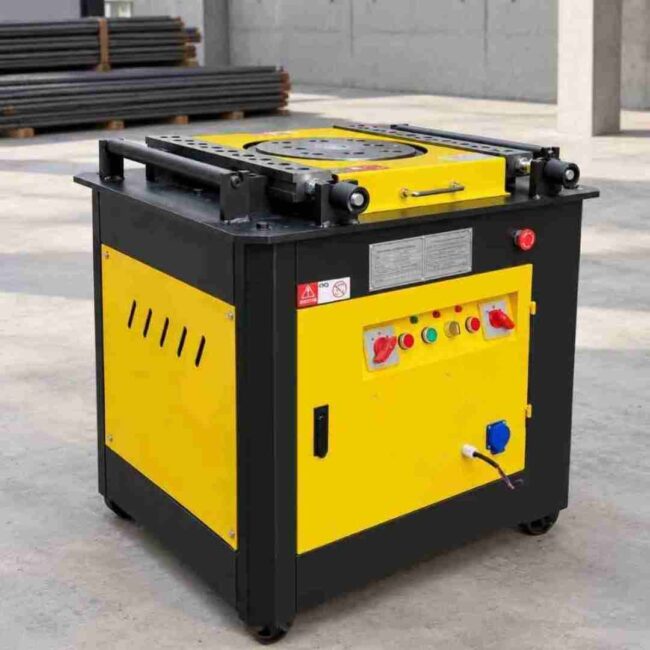
REBAR BENDING MACHINE GW42C
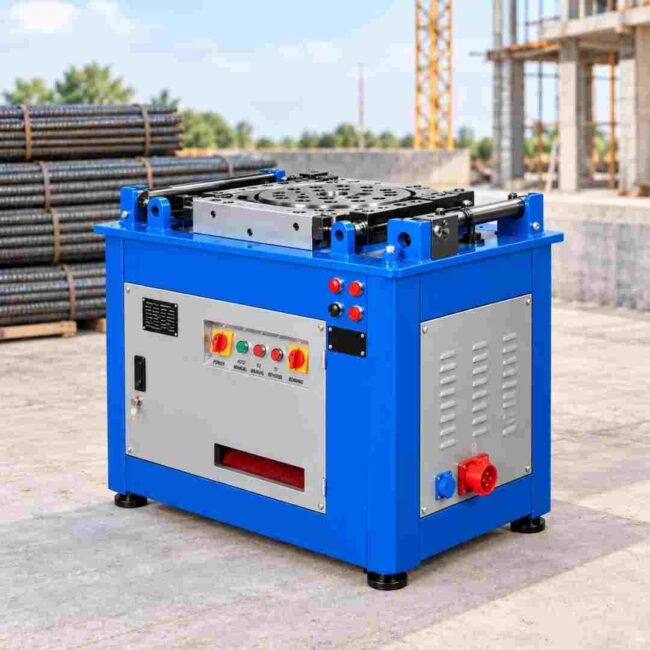
The GW42C Rebar Bending Machine is for contractors wishing to improve the productivity for the bending of smaller reinforcement bars. This machine can be employed for the on-site bending of reinforcement bars or for reinforcement fabrication.
SPECIFICATION
| Specification | Details |
|---|---|
| Model | GW42C |
| Maximum Bending Capacity | 32 mm |
| Bending Range | 0° to 180° |
| Motor Power | 3–4 kW |
| Bending Speed | 10–12 RPM |
| Voltage | 380V / 415V |
| Phase | 3 Phase |
| Application | RCC Work |
REBAR BENDING MACHINE GW32
The GW32 Rebar Bending Machine is for smaller reinforcing bars and can be used in construction projects for which the bar size is within the limit of the machine.
SPECIFICATION
| Specification | Details |
|---|---|
| Model | GW32 |
| Maximum Bending Capacity | 25 mm |
| Bending Angle | 0°–180° |
| Drive Power | 3 kW |
| Voltage | 380V / 415V |
| Phase | 3 Phase |
| Bending Speed | 10–12 RPM |
| Application | Construction Projects & Reinforcement Work |
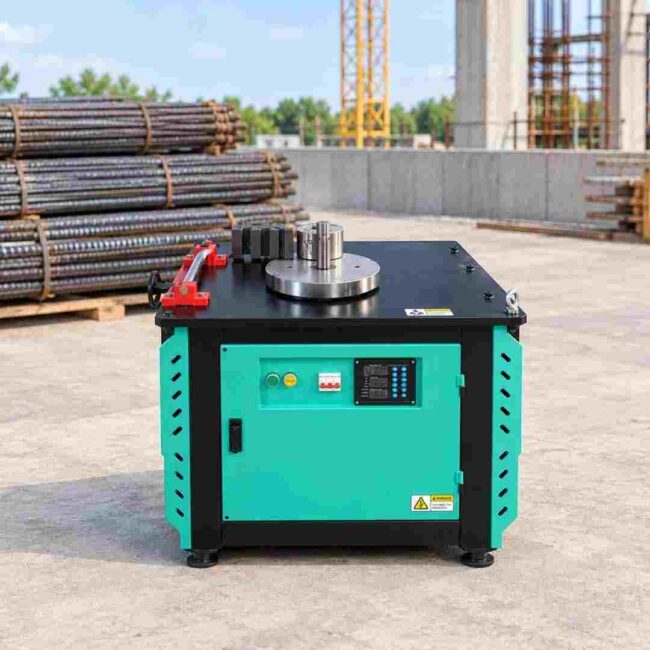
REBAR BENDING MACHINE GW42J
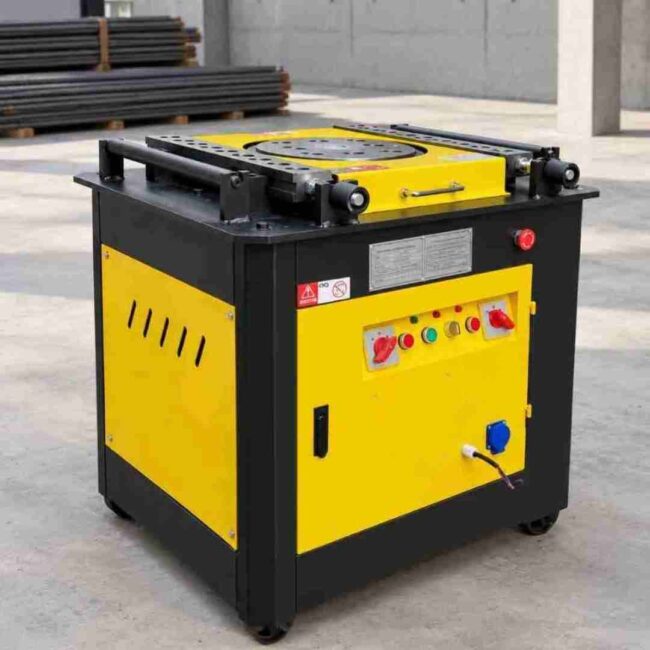
The GW42J Rebar Bending Machine is suitable for bending of steel reinforcing bars and other materials for various shapes as specified in structural drawings.
SPECIFICATION
| Specification | Details |
|---|---|
| Model | GW42J |
| Maximum Bending Capacity | 32 mm |
| Bending Angle | 0°–180° |
| Drive Power | 3–4 kW |
| Voltage | 380V / 415V |
| Phase | 3 Phase |
| Bending Speed | 10–12 RPM |
| Suited For | Concreting Works, Steel Reinforcing Bar Fabrication, Beams & Columns |
SPIRAL REBAR BENDING MACHINE GWH-36
The GWH-36 Spiral Rebar Bending Machine is used for bending reinforcing steel for various types of spiral and circular shapes, as well as any other reinforced shapes that may be required in construction.
SPECIFICATION
| Specification | Details |
|---|---|
| Model | GWH-36 |
| Maximum Bending Capacity | 32–36 mm |
| Type of Bending | Spiral, Circular & Other Bend Shapes |
| Motor Power | Approximately 4 kW |
| Voltage | 380 / 415 V |
| Phase | 3 Phase |
| Application | Spiral Reinforcing, Circular Structural Members & Other Fabrication Work |
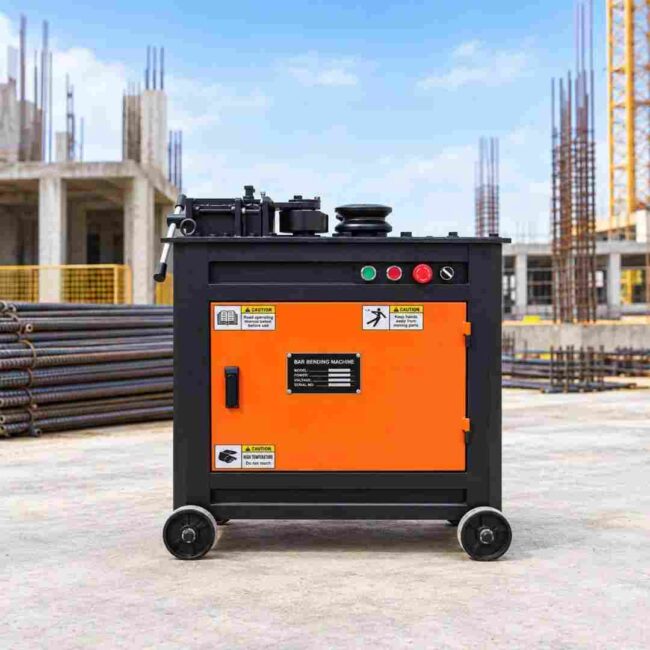
REBAR BENDING MACHINE GW42D
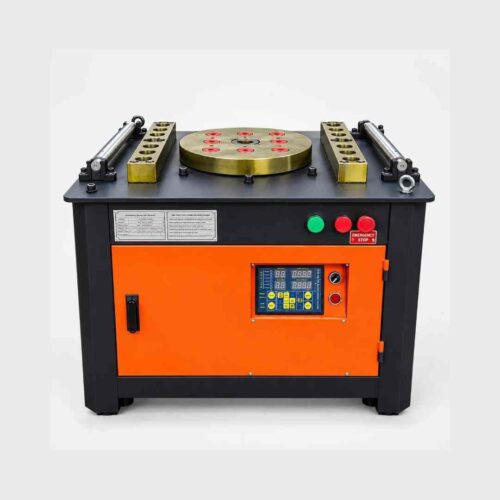
The GW42D Rebar Bending Machine is used to give different types of bends to steel reinforcing bars as required in construction. It is used when a large number of bending operations of steel bars are required.
SPECIFICATION
| Specification | Details |
|---|---|
| Model | GW42D |
| Maximum Bending Capacity | 32 mm |
| Bending Range | 0° to 180° |
| Motor Power | 3 kW to 4 kW (Approx.) |
| Voltage | 380 / 415 V, 3 Phase |
| Bending Speed | Approx. 10–12 bends/min. |
Applications of Rebar Bending Machines
Bending machines find a wide range of uses in construction.
- Residential Construction
Almost all structures in the residential sector utilize reinforced concrete.
- Commercial Construction
Reinforced concrete is commonly used in the larger structures in the commercial sector.
- Bridges and Other Sectors
Mechanical bending of steel reinforcing bars can be of benefit during the construction of large infrastructure projects.
- Industrial Construction and Sectors
Plants, warehouses and other structures in the industrial sector utilize reinforced concrete.
- Fabrication and Construction Workshops
A rebar bending machine can be of benefit in a steel fabrication workshop to facilitate production of reinforcement to order.
- Civil Construction and Sectors
Bent reinforcement is used in many structures in the civil construction sector.
The Advantages of Using a Rebar Bending Machine
Bending tens of reinforcing bars to many different shapes by hand is very time consuming. Rebar bending machines significantly speed up production and reduce the level of physical effort required. Having the machine dedicated to rebar bending not only improves the physical work environment but the overall work environment because preparing the rebar is a necessary but very time consuming step in constructing a building. Each unique bent shape creates a backlog in construction and significantly decreases the speed in which a building can be constructed. In constructing a building, thousands of bends are required and, given the time and effort each individual bend takes, using a bending machine is of great benefit.
Selecting the Right Rebar Bending Machine
A variety of factors contribute to the overall cost of the machine. Sometimes the cheapest option is not the best option and can be the most costly in the end. Consider the following factors before purchasing a rebar bending machine:
- Required Shapes
Are standard bends and shapes required or are more custom shapes like hooks and stirrups required?
- Min/Max Bar Diameter
What is the smallest and largest diameter of the rebar that needs to be bent?
- Production
What is the total quantity and size of the bends required?
- Machine Design
Is the machine constructed with a sturdy frame and reliable components?
- Safety
Are adequate safety features included? Are training and/or manual provided?
- Miscellaneous
Are there support and service components?
Operating a Rebar Bending Machine
Operating a Rebar Bending Machine can be unsafe because of the moving parts that can happen unexpectedly. Following these safety practices can help prevent injury.
- Prior to use, read the machine’s operating instructions.
- Always wear the appropriate personal protective equipment.
- Stay away from moving bending parts.
- Check all connections and accessory pins.
- Keep your work area clean.
- Don’t use a machine part or accessory that has exceeded its design limits.
- Turn off the machine and not make any adjustments while it is running.
- Keep unauthorized persons away from the machine and the work area.
Regular maintenance is important and should be performed at the intervals suggested by the manufacturer.
Risks associated with the use of a Rebar Bending Machine can be reduced by regular inspection and proper training.
Maintenance of a Rebar Bending Machine
Regular maintenance on a Rebar Bending Machine can help avoid unexpected breakdowns. Some items that should be included in the maintenance plan are as follows:
- Inspect the motor
- Check the gear case oil
- Lubricate bearings and other moving parts
- Inspect bending discs
- Inspect the electrical connections
- Clean the machine
- Inspect the frame of the machine
- Tighten and replace fasteners
The maintenance plan should be in accordance with the recommendations of the machine’s manufacturer.
Use of a Rebar Bending Machine in Modern Construction
Mechanization of several tasks in the construction industry has been the trend in recent years. The use of a Rebar Bending Machine can be a good example of mechanization of part of the work process in the construction industry. Some of the benefits associated with the use of a Rebar Bending Machine include increased productivity, improved quality, improved worker safety and reduced worker fatigue.
The machine model selected depends on factors like diameter of rebars, type of bends required, volume of production, limits of available power supply, site conditions, etc.
Summary
A Rebar Bending Machine is essential for industrialized reinforcing bar (rebar) processing. It eliminates monotonous work, increases rebar processing speed, and improves the uniformity and accuracy of rebar bending.
A wide selection of machines is available from the GW32/GW42 series to heavier machines GW52 and a special spiral type machine (GWH-36).
Knowledge on working principle, maintenance, safety, and other aspects of the rebar bending machine is essential for contractors to take informed equipment’s purchase/use decisions.
Equipment purchase by construction, building and engineering contracting/workshops should be determined by the requirements of the projects. Safety limits and other operating restrictions should be reviewed before use/purchase of any machine.
Questions and Answers
- What is a Rebar Bending Machine?
A Rebar Bending Machine is machine used to give desired shape to reinforcement steel bars.
- What are the main components of Rebar Bending Machine?
Main components of a Rebar Bending Machine are Drive System, Bending Table and Limits, Control Systems and Structure.
- What is the importance of a Rebar Bending Machine?
A Rebar Bending Machine helps to shape the steel bars in the desired manner for constructing buildings, bridges, and other structures.
- Which Rebar Bending Machine is appropriate for heavier bars?
Machines like the GW52 series are able to bend heavier bars, but the exact limits, as well as other design aspects, are best described in the manufacturer’s data sheet.
- Can bending machines replace workers?
Bending machines eliminate the need to perform the bending task using manual methods, thus reducing the level of effort and energy required to perform the task.
- Explain the GW42 Rebar Bending Machine.
The GW series of machines is used for bending reinforcing bars in the construction and allied trades.
- Explain the GWH 36 Spiral Rebar Bending Machine?
The GWH 36 is employed for bending spiral and other specialized forms of reinforcing bars.
- Explain the preventive maintenance schedule for this type of machine?
Preventive maintenance consists of inspection of the motor, reduction gears, bearings, bending discs, and other mechanical fasteners and fittings.
- Is a Rebar Bending Machine appropriate for small construction projects?
No. Manual bending is often adequate for small projects, especially when the number of reinforcement bars to be prepared is small.
- What things should be considered before purchasing a Rebar Bending Machine?
One has to consider the minimum required bar diameter, the capacity of the machine to bend the bars, the shapes in which the bars can be bent, the power of the motor that drives the machine, the electrical capacity of the machine, the volume of the bars to be prepared, the construction of the machine, the availability of spare parts, the warranty and the after-sales service of the machine.
- Is it possible for a single machine to bend all types of reinforcement bars?
No. Each machine is restricted to certain limits. The type and the maximum size of the bars to be bent should always be checked.
- What is the importance of learning about the parts of Rebar Bending Machines?
Operators should be able to understand how the machine operates. Basic inspections and Identification of worn out parts is also necessary. Knowing the various parts will also help in understanding the maintenance procedures.